Citronella Oil
Citronella oil
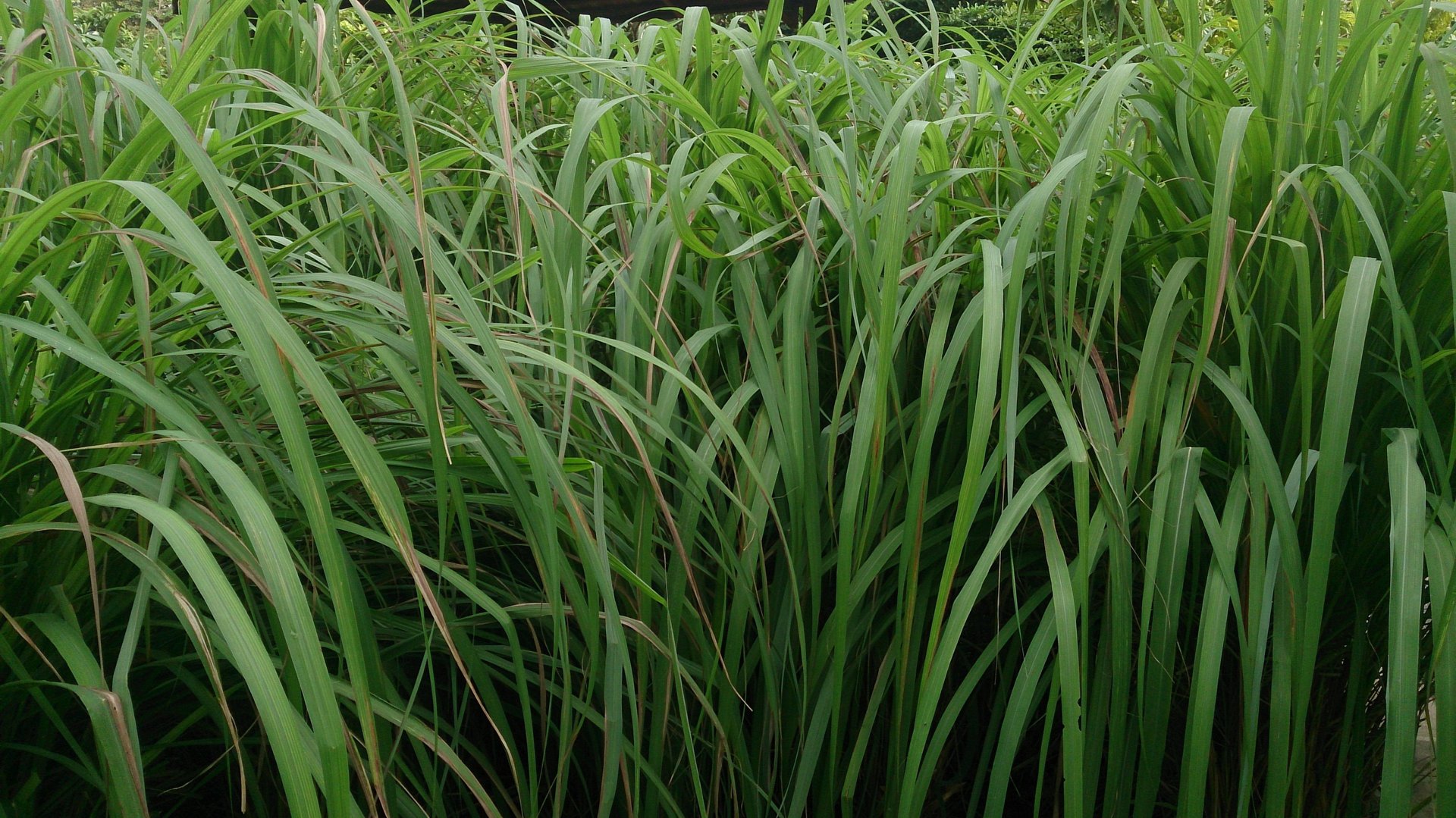
Derived from the aromatic Cymbopogon nardus plant, is one of the most well-known essential oils for its refreshing lemon-like scent and powerful insect-repelling properties. Native to tropical regions like Indonesia, Sri Lanka, and India, citronella is widely cultivated as a sustainable and profitable crop used in perfumery, cosmetics, aromatherapy, and natural pest control.
Nature’s Fragrant Shield
Plant Characteristics
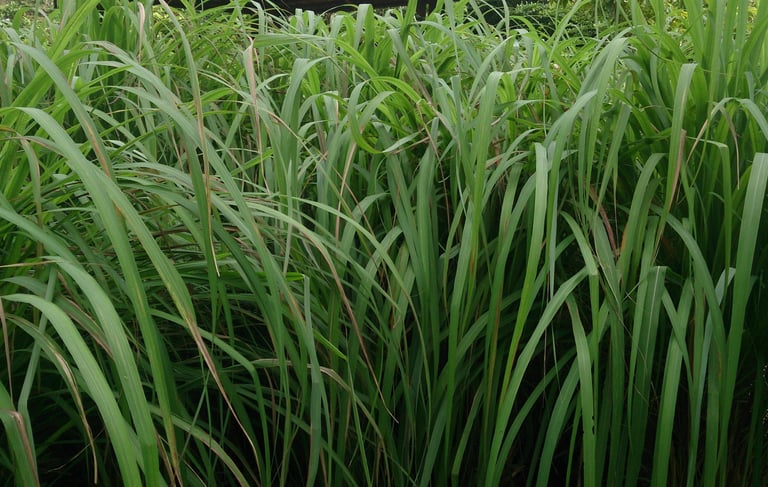
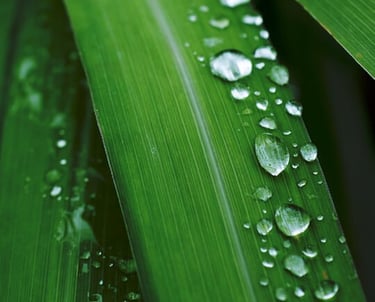
Citronella grass grows in tall, dense clumps reaching up to 2 meters high. It prefers tropical climates with rich, well-drained soils and plenty of sunlight.
Key features:
Grows rapidly after establishment and can be harvested every 2.5–3 months.
Contains high levels of citronellal, geraniol, and citronellol, the main aromatic compounds responsible for its fragrance and biological activity.
Used extensively in Indonesia, especially in Aceh and Java, where it supports local farmers and essential oil industries.


Harvesting & Processing
After 5–6 months of planting, the first harvest can be made. Farmers typically cut the leaves about 20–45 cm from the base using sharp sickles, ensuring the clumps remain healthy for future regrowth.
Once harvested, the leaves and stems are chopped into small pieces and immediately distilled to preserve freshness.
Main steps:
Chopping: Increases surface area for oil release.
Steam distillation: Steam passes through the biomass, releasing essential oil vapors.
Condensation & separation: Vapors are cooled and separated from water.
Filtration & storage: The extracted oil is filtered and stored in dark glass containers to maintain purity.
The resulting oil is pale yellow to light brown and has a distinct citrusy aroma.


Citronella oil is a versatile product used in various industries:
Insect repellent: Masks human scent and confuses mosquitoes and flies.
Aromatherapy: Provides a refreshing, calming atmosphere.
Cosmetics & perfumes: Adds a natural citrus top note.
Cleaning products: Acts as a natural deodorizer and antimicrobial agent.
Benefits & Cautions
Health and Environmental Benefits
Natural mosquito repellent – safer than many synthetic chemicals.
Antifungal and antibacterial – helps inhibit microbial growth.
Eco-friendly and renewable – supports sustainable agriculture.
Precautions
Always dilute before applying to the skin to avoid irritation.
Avoid contact with eyes or open wounds.
Not recommended for internal consumption.