
Vetiver Oil
The Oil of Tranquility from Indonesia
Vetiver Oil, also known as minyak akar wangi in Indonesia, is one of the most precious and aromatic essential oils derived from the roots of the Vetiveria zizanioides plant. This oil is highly valued for its deep, earthy fragrance and its grounding, calming therapeutic properties.
Indonesia—especially Garut, West Java—has earned a worldwide reputation as one of the best producers of vetiver oil. Indonesian vetiver oil is renowned for its rich, warm, and complex scent profile, making it a favorite among perfumers and aromatherapists across the globe.


Origin and Habitat of the Vetiver Plant
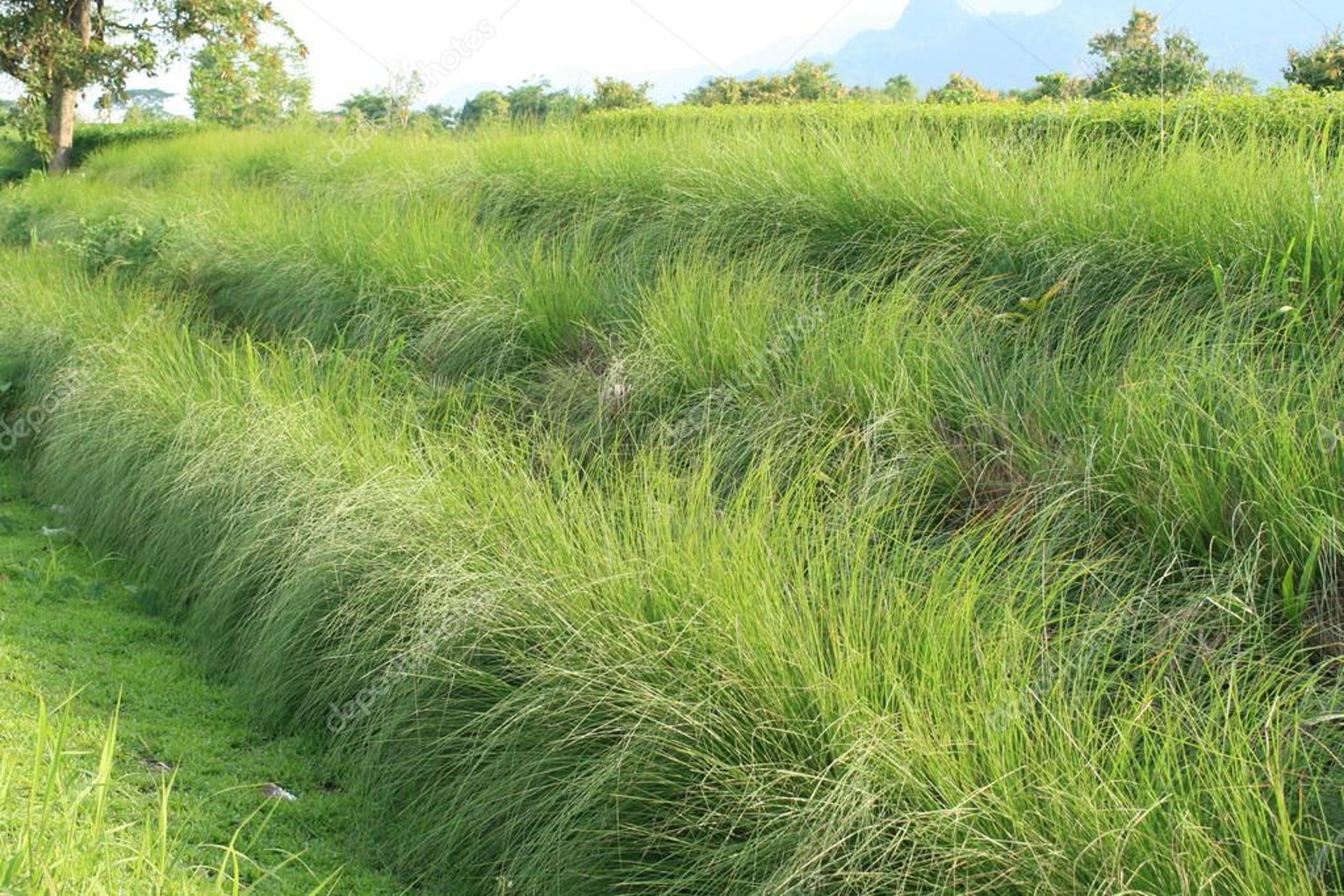
Vetiver is a tall, perennial grass that thrives in tropical climates. It can grow up to 1.5 meters tall, with strong and fibrous roots that reach depths of 3–4 meters underground. This deep root system not only produces the valuable oil but also helps prevent soil erosion and stabilize slopes.
Botanical name: Vetiveria zizanioides
Family: Poaceae (Grasses)
Native region: India, cultivated widely across Southeast Asia including Indonesia
Main Indonesian producing regions: Garut, Tasikmalaya, Wonosobo, and parts of Sumatra
In addition to essential oil production, the roots and leaves of vetiver are also used for natural fragrance materials, weaving crafts, and soil conservation.
Production Process of Vetiver Oil
1. Harvesting
The roots are harvested when the plants reach 18–24 months of age, the stage when oil content and aroma are at their peak.
2. Cleaning and Drying
After harvest, the roots are thoroughly washed to remove soil, then sun-dried until completely dry. This step reduces moisture and prepares the roots for distillation.
3. Steam Distillation
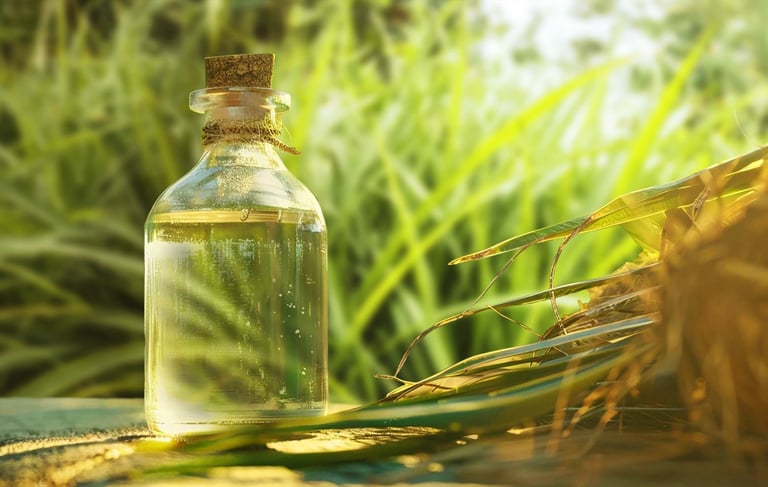
The dried roots undergo steam distillation for 12–24 hours. Steam releases the essential oil from the root fibers, and the condensed oil is collected and separated from water naturally.
4. Maturation
After extraction, the oil is aged for several months to allow the aroma to mature and develop depth, resulting in a smoother and more refined fragrance. This process is similar to wine or fine perfume maturation.


Chemical Composition
Vetiver oil is one of the most complex essential oils, containing more than 100 identified compounds, dominated by sesquiterpenes and alcohols such as:
Vetiverol – provides a soft, calming aroma
Vetivone & α-Vetivone – contribute to the distinctive woody note
Khusimol – known for its relaxing and grounding properties
Zizanol and Terpenoids – enhance therapeutic and aromatic depth
These compounds make vetiver oil unique, stable, and highly valued in aromatherapy and perfumery.
Benefits and Applications
🌸 1. Perfumery and Cosmetics
Vetiver oil serves as a base note in many world-famous perfumes, including brands such as Chanel, Dior, and Guerlain.
Its fixative quality helps anchor lighter top notes, making perfumes last longer. It is also used in soaps, creams, and natural skincare formulations.
🌿 2. Aromatherapy and Relaxation
Nicknamed “The Oil of Tranquility”, vetiver essential oil has powerful calming and grounding effects:
Reduces stress and anxiety
Promotes restful sleep and fights insomnia
Improves focus and emotional balance
Supports meditation and relaxation
💧 3. Skin Care
Vetiver oil’s anti-inflammatory, antiseptic, and regenerative properties help:
Heal scars and skin blemishes
Reduce stretch marks and wrinkles
Improve skin elasticity and rejuvenation


🕯️ 4. Household and Wellness Products
Used as a key ingredient in:
Aromatherapy candles
Diffusers and natural air fresheners
Massage oils
Herbal bath and spa products
🌾 5. Environmental and Agricultural Uses
Vetiver plants are highly valued in eco-friendly agriculture:
Prevent soil erosion
Rehabilitate degraded lands
Absorb heavy metals from soil (phytoremediation)
Provide natural mulch and green cover